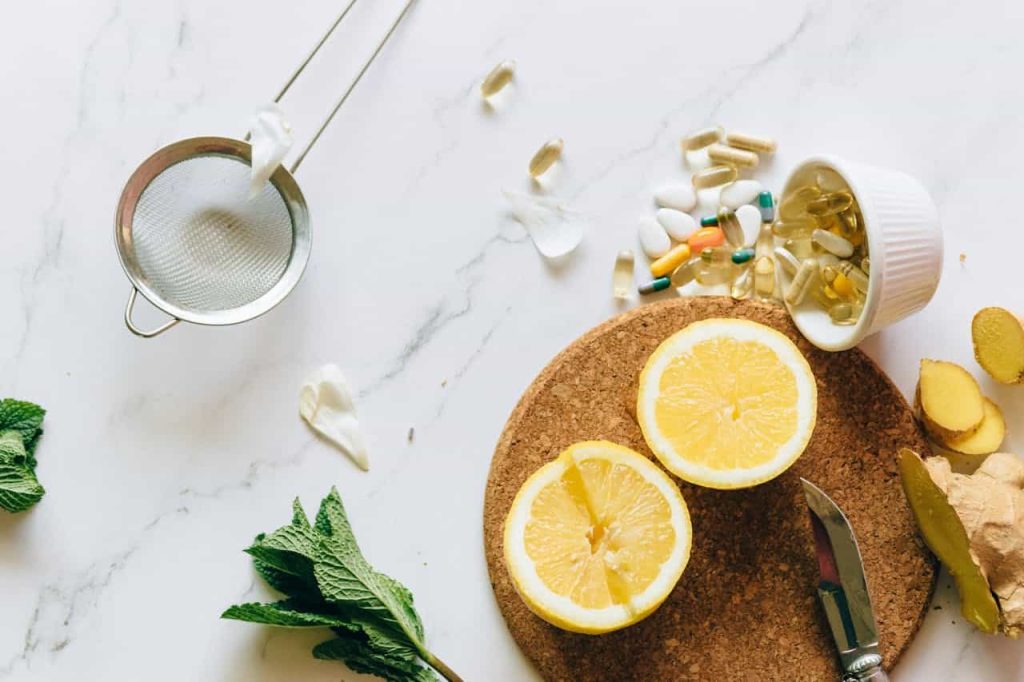

Menopause is a normal, natural event—defined as the final menstrual period (FMP). Another name for menopause is change of life. It usually occurs after age 45.
Symptoms indicating the onset of menopause beginning with irregular menstrual periods.
- Irregular vaginal bleeding.
- Hot flashes are common, sometimes are accompanied by night sweats.
- The lining of the urethra undergoes changes similar to the tissues of the vagina, and becomes dryer, thinner, and less elastic.
- A variety of thinking (cognitive) and/or emotional symptoms, including fatigue, memory problems, irritability and rapid changes in mood.
- Weight gain may occur, Body fat is deposited more in the waist and abdominal area than in the hips and thighs.
Related Health Risk : The reduction in estrogen hormone supply may lead to risk of Higher Cholesterol, heart disease, osteoporosis, etc.
Dietary Guideline : A healthy nutritious diet minimizes all the additional medical health risks, physical and mental symptoms of menopausal life.
- Get enough calcium – Eat and drink 2 to 4 servings of dairy products and calcium-rich foods a day. Calcium is found in dairy products, clams, sardines, broccoli and legumes.
- Increase your iron intake – Eat atleast 3 servings of iron-rich foods a day. Iron is found in lean red meat, poultry, fish, eggs, leafy green vegetables, nuts and enriched grain products. Introduce soy foods into your daily diet.
- Get enough fiber –Take foods high in fiber such as whole-grain breads, cereals, pasta, rice, fresh fruits and vegetables.
- Eat fruits and vegetables – Include 2 to 4 servings of fruits and 3 to 5 servings of vegetables a day. Eat a potassium rich diet (melons, bananas and citrus fruits like oranges and lemons).
- Make oily fish (salmon, mackerel) rich in omega-3 essential fatty acids regularly.
- Drink at least eight 8-ounce glasses of water a day.
- Lose weight if you are overweight. Cut down on portion sizes and reduce foods high in fat, do not skip meals.
- Plant-based foods containing isoflavones (plant estrogens) work in the body like a weak form of estrogen and may help relieve menopausal symptoms in some women. Some may lower cholesterol levels and relieve hot flashes and night sweats. Along with soy products found in foods such as whole grains and beans.
FOODS RESTRICTED
Avoiding certain “trigger” foods and beverages – spicy foods, caffeine, and alcohol may lessen the severity and frequency of some symptoms.
Reduce foods high in fat – Fat should provide less than 30 % , saturated fat to less than 10 percent of your total daily calories. Avoid fatty meats, whole milk, ice cream and cheese, restrict your intake of margarine and processed baked foods like cookies, as these foods can be high in “trans-fats” or “hydrogenated” fats – both of which are saturated fats. Limit cholesterol intake to 300mg per day.
Limit alcohol intake – 3 to 5 drinks per week maximum, more can aggravate some symptoms of menopause. Instead, drink mineral/bottled water, diluted fruit juice including calcium-fortified juice, vegetable juice, fat-free milk, calcium-fortified soy milk, herbal teas like fennel and green tea.
Avoid Highly Spiced Foods – such as hot curry, hot chilli dishes, it can make hot flashes worse.
Caffeine – Reduce intake of caffeine (from coffee, tea and soft drinks), as it has seen that too much caffeine can cause loss of calcium.
DIETARY SUPPLEMENTS TO PREVENT SYMPTOMS/DISEASES
Because of direct relationship between the lack of estrogen after menopause and the development of osteoporosis, the following supplements, along with a healthy diet, may help prevent the onset of this condition.
- Calcium – Calcium carbonate and calcium citrate are good forms of calcium supplements. Do not take more than 2,000 mg of calcium a day very often or else can lead to kidney problems.
- Vitamin D3 (cholecalciferol) – Body uses vitamin D to absorb calcium. People aged 51 to 70 can have 600 to 800 IU each day and those over age 70 should have 800 IU. More than 2,000 IU of vitamin D each day is not recommended.
- Vitamin B Complex – Several B vitamins are beneficial during menopause. Vitamin B6 is typically necessary for patients on Hormone Replacement Therapy (HRT). Folic acid may help to prevent changes in the cervix. Low levels of vitamin B complex can lead to emotional stress, fatigue and depression.
- Some antioxidants in the diet will also help to minimize the risk factors associated with menopause.
- Vitamin C – It helps the adrenal glands and the body’s immune system – another system that needs more help as we enter mid-life and menopause. Fortified breakfast cereals, citrus fruits, broccoli, Brussels sprouts, kale, peppers are some rich sources.
- Vitamin E – Known as “menopausal vitamin” because it may have chemical activities similar to estrogen, It relieve hot flashes as well as psychological symptoms of menopause. As an antioxidant it keeps cell disease-free. Found mainly in Wheat germ oil, eggs, green leafy vegetables, cereals, dried beans.